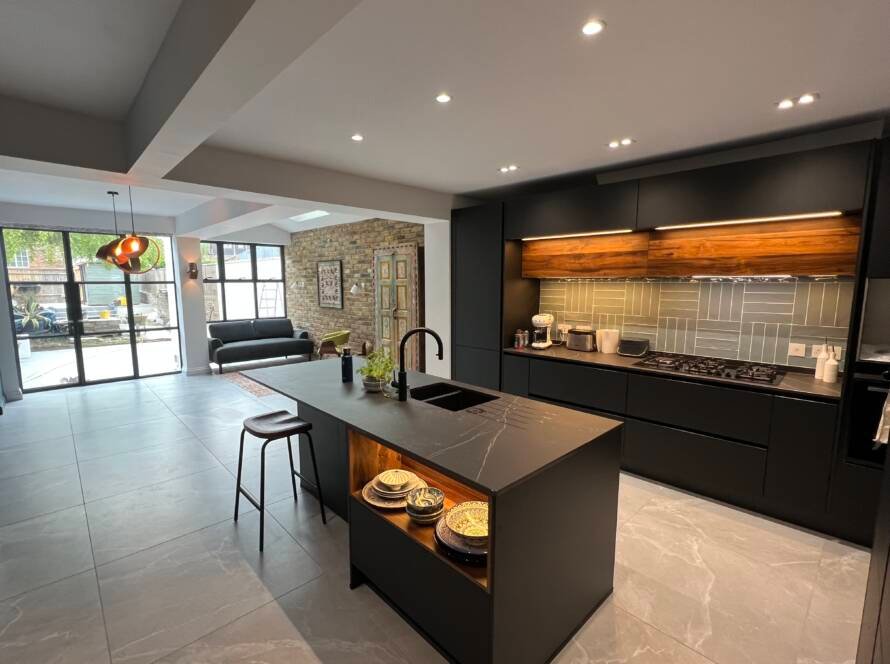


A bathroom is one of the smallest rooms in the house, but it is also one of the hardest working. It has to cope with water, steam and daily use, and it has to do it quietly for many years. That is why a bathroom renovation rewards careful planning. Most of the problems people run into later, such as damp, poor drainage or tiles that fail, come from decisions made before the first tile is laid.
This guide covers what to settle before work starts, so the project runs smoothly and the finished room works as well as it looks.
Start With the Layout and the Plumbing
Moving a toilet, basin or shower is possible in most homes, but it affects pipework, waste runs and sometimes the floor structure. Decide early whether you are keeping the existing layout or changing it. Keeping the soil pipe where it is can simplify the job, while a new layout may need floor boards lifted and joists checked. Think about where the door opens, how much room there is to move around the basin, and whether a walk-in shower or a bath suits the space better.
Most bathroom problems start behind the finished surface. Waterproofing, falls to the drain and properly prepared walls matter far more than the tile that goes on top.
Waterproofing and Preparation Matter Most
A bathroom looks finished once the tiles are up, but the work that protects the house is hidden underneath. Walls and floors need to be sound and level, shower areas need to be properly sealed, and floors need to fall correctly towards the drain. Ventilation also needs attention: a good extractor fan stops steam turning into mould on walls and ceilings. Cutting corners on this stage is the most common reason a bathroom needs to be redone early.
Choosing Tiles, Fittings and Finishes
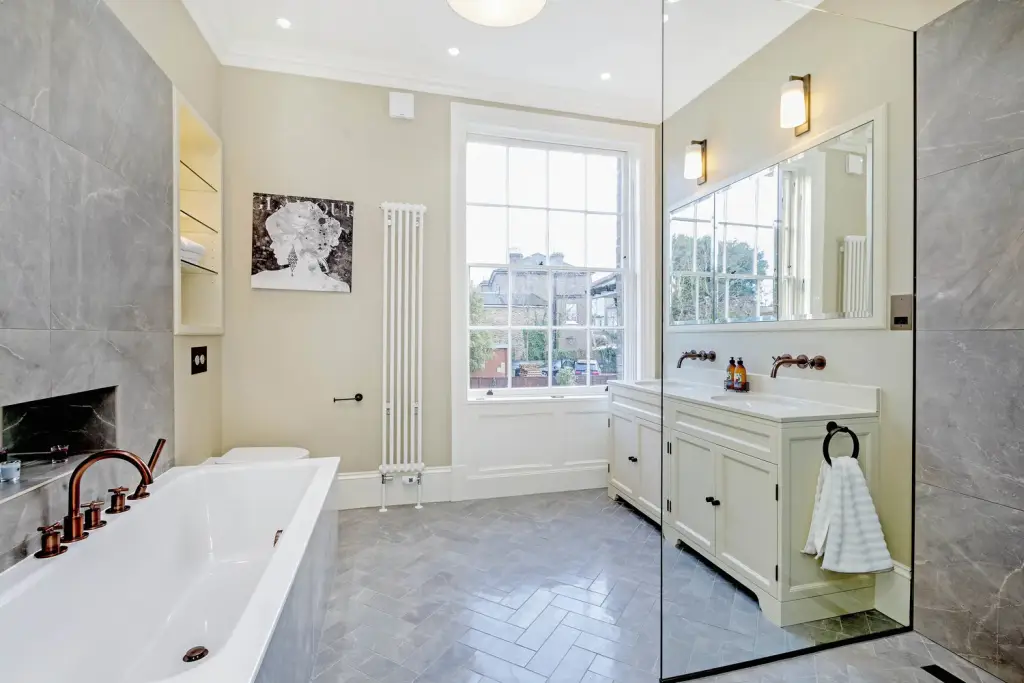
Tiles and sanitaryware set the look of the room, but practicality should guide the choice. Large-format tiles mean fewer grout lines and are easier to keep clean, while textured or feature tiles can add character to a single wall or shower area. Pick floor tiles with enough grip for wet feet, and choose taps, shower valves and fittings from suppliers that stock spare parts. A floating vanity can make a small room feel larger, and a double basin suits a busy family bathroom.
Heating, Lighting and Ventilation
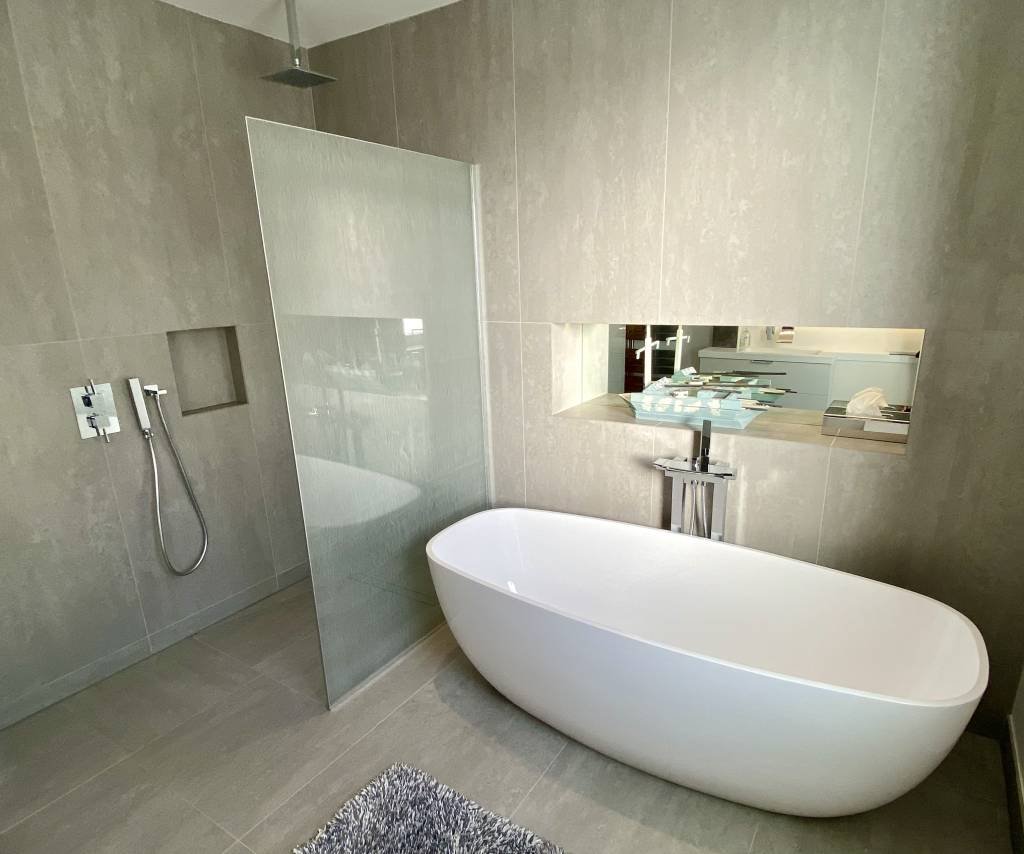
These are the details people forget until the room is finished. A heated towel rail or underfloor heating is much easier to fit while the walls and floor are open, and electrical work in a bathroom must follow the wiring regulations because of the water. Plan lighting in layers: a main light, task lighting by the mirror and, if you like, softer lighting for evenings. Check that the extractor fan is sized for the room and ducted to the outside, not just into the loft.
Storage and Everyday Practicalities
Think about how the room is actually used each morning. Where do towels, toiletries and cleaning products go? A recessed niche in the shower saves clutter on the ledge, a vanity with drawers hides everyday items, and a wall-hung cabinet makes use of space above the toilet. Small decisions, such as the direction a door swings or where the towel rail sits, make the room far easier to live with.
Who Does What, and in What Order
A bathroom involves several trades working in a set order: strip-out, plumbing and electrics, plastering, waterproofing, tiling, fitting and finishing. If those trades are coordinated badly, you get delays, gaps and repeat visits. Having one team manage the whole sequence keeps the programme clear and the site tidy, and it gives you a single point of contact if you have questions. If you already have drawings or a layout plan, share them at the start so the work is priced and built to them.
Budget, Hidden Costs and Timescales
Set a sensible budget and keep a contingency, because opening up a bathroom can reveal problems that were not visible before, such as old pipework, damp or damaged floor boards. Order tiles, the bath or shower tray and fittings in good time, as waiting for a delivery is the most common cause of delays. A typical full bathroom renovation takes some days rather than hours, with the plumbing, tiling and finishing each needing time to set or dry, so agree the expected timeline in writing before work begins.
Questions to Ask Before You Agree a Quote
Ask what is included and what is not, who supplies the tiles and fittings, how long the work should take, and how the room will be protected and cleaned during the job. A clear written quote with a sensible programme tells you a lot about how the project will be run.
If you are planning a bathroom renovation in Purley, Croydon, Caterham or elsewhere in South London and Surrey, get in touch with Torwood Interiors for a free quote.