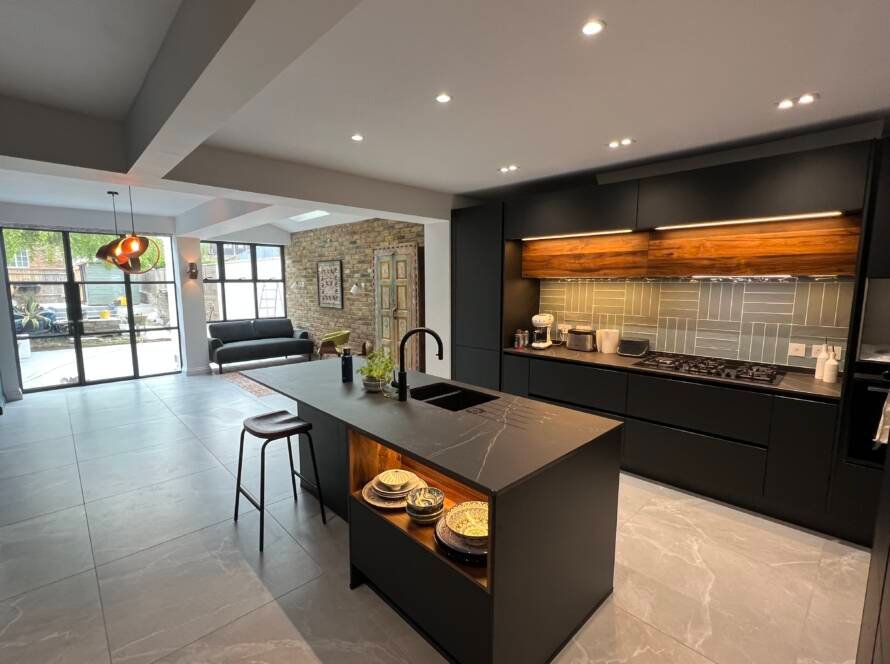


Planning a home renovation is exciting, but decisions made before quotations are requested can have a major effect on the cost, programme and finished result.
Whether you are considering a full refurbishment, extension or major internal reconfiguration, a clear brief helps builders provide more accurate quotations and reduces the likelihood of unexpected changes later.
Here are ten important things to consider before approaching contractors.
1. Define what you want to achieve
Begin with the reason for the renovation. You may need more space, a better connection with the garden, improved energy efficiency or a layout that works better for family life.
Write down your priorities and separate essential requirements from desirable additions. This will help you make sensible decisions if the proposed work exceeds your initial budget.
2. Establish a realistic budget
Your budget should cover more than the contractor’s quotation. Depending on the project, you may also need to allow for professional fees, planning applications, Building Control, structural calculations, finishes, appliances and temporary accommodation.
It is also sensible to retain a contingency for conditions that could not reasonably have been identified before work started, particularly when renovating an older property.
3. Decide the scope of work
Be clear about which parts of the property are included. For example, does a kitchen extension also involve new flooring throughout the ground floor, landscaping, underfloor heating or replacement windows?
A clearly defined scope allows contractors to price the same work and makes quotations easier to compare.
4. Consider how you want the finished space to feel
Collect examples of layouts, materials and finishes that suit your home. These can help your architect, designer and builder understand your preferences.
However, try to focus on practical qualities as well as appearance. Consider natural light, storage, movement through the property, maintenance and how the rooms will be used every day.
5. Understand which permissions may be required
Some alterations may fall within permitted development, while others require planning permission. Structural work must also comply with the Building Regulations, and work near a shared boundary may require a Party Wall agreement.
Requirements depend on the property and proposed work, so obtain appropriate professional advice before relying on general online guidance.
6. Decide who will manage the project
Large renovations involve numerous decisions, trades and deliveries. Establish whether your architect will remain involved during construction, whether you will manage individual contractors or whether the principal contractor will coordinate the work.
A clear line of responsibility helps avoid gaps, duplicated work and misunderstandings.
7. Prepare drawings and specifications
The more information contractors receive, the more accurately they can price the project.
Architectural drawings explain the form and dimensions of the proposed work. A specification should also identify important details such as flooring, sanitaryware, doors, heating, lighting, joinery and decorating.
Without this information, quotations may contain allowances that differ significantly between contractors.
8. Think about living arrangements
Consider whether you can remain in the property safely and comfortably while work is underway.
Dust, noise and temporary interruptions to water, electricity, heating or kitchen facilities can make occupation difficult during major renovations. Discuss access, working hours, protection and temporary facilities before construction begins.
9. Choose contractors on more than price
A detailed, transparent quotation is more valuable than a low headline figure that excludes important elements.
Ask prospective contractors about similar completed projects, insurance, programme, payment stages, project management and aftercare. Reviews and references can also help you understand how a contractor communicates and handles the realities of a building project.
10. Allow time for decisions and preparation
Rushing into construction before the design and specification are sufficiently developed can create delays and expensive changes.
Allow time for surveys, drawings, permissions, structural information, material selection and contractor discussions. Good preparation creates a stronger foundation for a well-managed project.
Planning a renovation in South London or Surrey?
Torwood Interiors delivers extensions, full home refurbishments, bespoke joinery and interior improvements across South London and Surrey.
We work closely with homeowners, architects and designers to coordinate the build with care, clear communication and close attention to the finished result.
If you are planning a renovation and would like to discuss the practical next steps, contact Torwood Interiors to arrange an initial consultation.